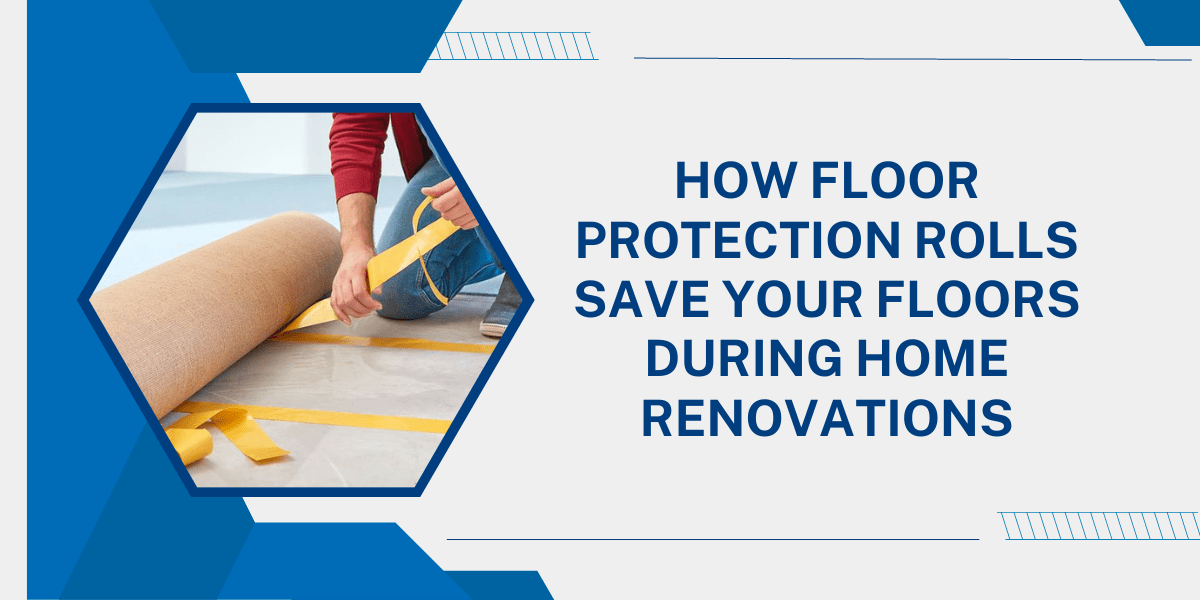
Remodeling your home can be a fun and exciting process that gives your living space a new look. But the process can also be hard and messy, especially if you want to keep your floors clean. Floor safety rolls come to the rescue in this case. These clever and useful solutions are very important for protecting your floors during home improvements. In this piece, we’ll talk about why floor protection rolls are helpful and how they can make your renovations go more smoothly.
Introduction
When doing home improvements, keeping your floors safe and in good shape is very important. The constant foot traffic, heavy tools, and possible spills can damage flooring materials like hardwood, tile, and carpet in ways that can’t be fixed. This is where floor security rolls come in, protecting the floor from any harm that could happen.
The Importance of Floor Protection During Renovations
During home improvements, there is a lot of movement and activity, which can scratch, stain, or dent your floors by mistake. These problems can not only look bad, but they can also be expensive to fix. Floor protection rolls act as a barrier, stopping such accidents and letting you focus on your renovation without thinking about your floors all the time.
Understanding Floor Protection Rolls
Floor protection rolls are special sheets, usually made of sturdy materials like plastic or rubber, that are used to cover and protect your floors. These rolls come in different sizes and thicknesses, so they can be used on different types of floors and with different amounts of foot traffic. They are easy to roll out and put up, so you can make a defensive layer quickly and easily.
Advantages of Using Floor Protection Rolls
- Easy Installation: Floor protection rolls can be effortlessly rolled out and cut to fit the dimensions of your space. This makes the installation process quick and hassle-free.
- Durable Protection: These rolls are engineered to withstand the impact of heavy objects, foot traffic, and spills, ensuring your floors remain unharmed throughout the renovation.
- Non-Slip Surface: Most floor protection rolls feature a non-slip surface, enhancing safety for both workers and residents moving around the renovation area.
- Time and Cost Savings: By preventing floor damage, you avoid the need for extensive post-renovation cleaning or costly floor repairs.
- Versatility: Floor protection rolls are suitable for various types of flooring, including hardwood, laminate, tile, and even carpets.
Types of Floor Protection Rolls
- Adhesive Rolls: These have a sticky underside that adheres directly to the floor, creating a secure and immovable layer of protection.
- Non-Adhesive Rolls: These rolls use friction to stay in place, making them easy to reposition or remove without leaving residue.
- Reusable Rolls: Designed for multiple uses, these eco-friendly options are durable and easy to clean, offering long-term floor protection solutions.
How to Choose the Right Floor Protection Rolls
- Floor Type: Consider the type of flooring you have. Different materials may require specific types of protection to prevent damage.
- Durability: Assess the expected foot traffic and impact during the renovation to select a roll that can withstand the activity.
- Size and Thickness: Choose rolls that are appropriate for your space and provide adequate thickness for protection.
- Adhesive vs. Non-Adhesive: Decide whether you want a secure or repositionable non-adhesive option based on your needs.
Proper Installation of Floor Protection Rolls
- Clean the Surface: Ensure the floor is clean and debris-free before rolling out the protection.
- Start from the Corner: Begin rolling out the protection from one corner of the room, gradually unrolling more as you move along.
- Secure the Edges: Use masking tape or adhesive tabs to secure the edges of the protection, keeping it in place.
Cost-Effectiveness of Floor Protection Rolls
Investing in floor protection rolls is a cost-effective decision. The relatively low cost of these rolls pales in comparison to the potential expenses of repairing or replacing damaged floors after the renovation.
Comparing Floor Protection Rolls to Traditional Methods
Traditional floor protection methods, such as drop cloths or cardboard, often fall short in providing comprehensive coverage. Floor protection rolls offer consistent and reliable protection without the risk of slips or tripping over uneven surfaces.
Maintenance and Removal of Floor Protection Rolls
- Regular Cleaning: Sweep or vacuum the surface of the protection to remove any dirt or debris.
- Careful Removal: Lift the protection slowly and carefully to avoid any potential residue from sticking to the floor.
Enhancing Safety with Floor Protection
Floor protection roll not only safeguards your floors but also enhances safety. Their non-slip surfaces reduce the likelihood of accidents, making your renovation environment safer for everyone involved.
Floor Protection for Different Types of Flooring
- Hardwood Floors: Protection rolls prevent scratches and dents caused by heavy objects or tools.
- Tile Floors: These rolls keep tiles safe from cracks or chipping due to dropped tools or materials.
- Carpeted Floors: Floor protection rolls shield carpets from spills, stains, and foot traffic.
Effects on the environment and long-term survival
Now, a lot of floor protection rolls are made with the earth in mind. Some options can be used more than once and are made from materials that can be recycled. This makes them less harmful to the earth.
Installing it yourself vs. hiring a pro
Even though floor protection rolls are easy to put down, you might want a professional to do it for bigger projects to ensure they cover and stick well.
Conclusion
When it comes to protecting your floors during home improvements, floor protection rolls are a game-changer. Because they are easy to use, durable, and cheap, they are an important tool for any home improvement job. Buying floor protection rolls from Britwrap saves your floors and gives you the peace of mind to fully enjoy the repair process.
 DIGITOLOGY